

The Xtrackers S&P 500 Equal Weight ETF (ticker XEWE) is a unique financial product offering investors exposure to the S&P 500 companies with an equal-weighted allocation.
- By holding asset brands, they reduce the risk which was invested in individual securities. They can be bought and sold on the stock exchanges at any time during trade hours, offering flexibility.
- Reportedly, ETFs have lower expense ratios in comparison to mutual funds, making them cost-effective. They regularly disclose their holdings, which provide investors with clear insights about the investment.
- Additionally, they have lower capital gain distributions, which resulted in tax savings for the investors.
The Xtrackers S&P 500 Equal Weight ETF (ticker XEWE) is a unique financial product offering investors exposure to the S&P 500 companies with an equal-weighted allocation. Unlike traditional S&P 500 ETFs, which are market-cap-weighted and thus allocate based on company size, the XEWE ETF assigns an approximately equal weight to each constituent, providing a more balanced and diversified exposure. This blog is a perfect guide about XEWE.
Among the several financial products launched for a financial expert’s convenience is XEWE, also known as X Trackers S&P 500 Equal Weight. Scroll down to learn more about the financial context.
What is an XEWE ETF?
XEWE Exchange Traded Fund are investment funds that trade on stock exchanges, and is similar to stocks. The assets they hold are commodities, stocks, and bonds, which usually operate with a mechanism. Designed to keep the trading close to its asset value. Initially introduced in the 1990s, Exchange Traded Funds or ETFs have grown in popularity for low cost, ease of trading, and tax efficiency
How do XEWE ETFs work?

The ETFs, which are abbreviated as Exchange Traded Funds, track the performance of an asset that mimics the index composition. The index buys and sells ETF shares on the stock market throughout the trading day by providing flexibility and liquidity. While the shares and pricing of the Exchange Traded Funds fluctuate with the market, it allows the investors to take advantage of price and intraday movements.
What are the advantages of investing in an XEWE ETF?
The ETF or exchange-traded funds have several advantages for investors.
- By holding asset brands, they reduce the risk which was invested in individual securities. They can be bought and sold on the stock exchanges at any time during trade hours, offering flexibility.
- Reportedly, ETFs have lower expense ratios in comparison to mutual funds, making them cost-effective. They regularly disclose their holdings, which provide investors with clear insights about the investment.
- Additionally, they have lower capital gain distributions, which resulted in tax savings for the investors.
What is the S&P 500 Index?
The S&P 500 Index, created by Standard & Poor’s, is a market optimization index that weights 500 of the largest companies in the United States. The index is market cap-weighted, which means industries that had a greater capitalization had a major impact on their performance.
This index covers several sectors which provide a detailed snapshot of the United States economy.
What are the advantages of the S&P 500?
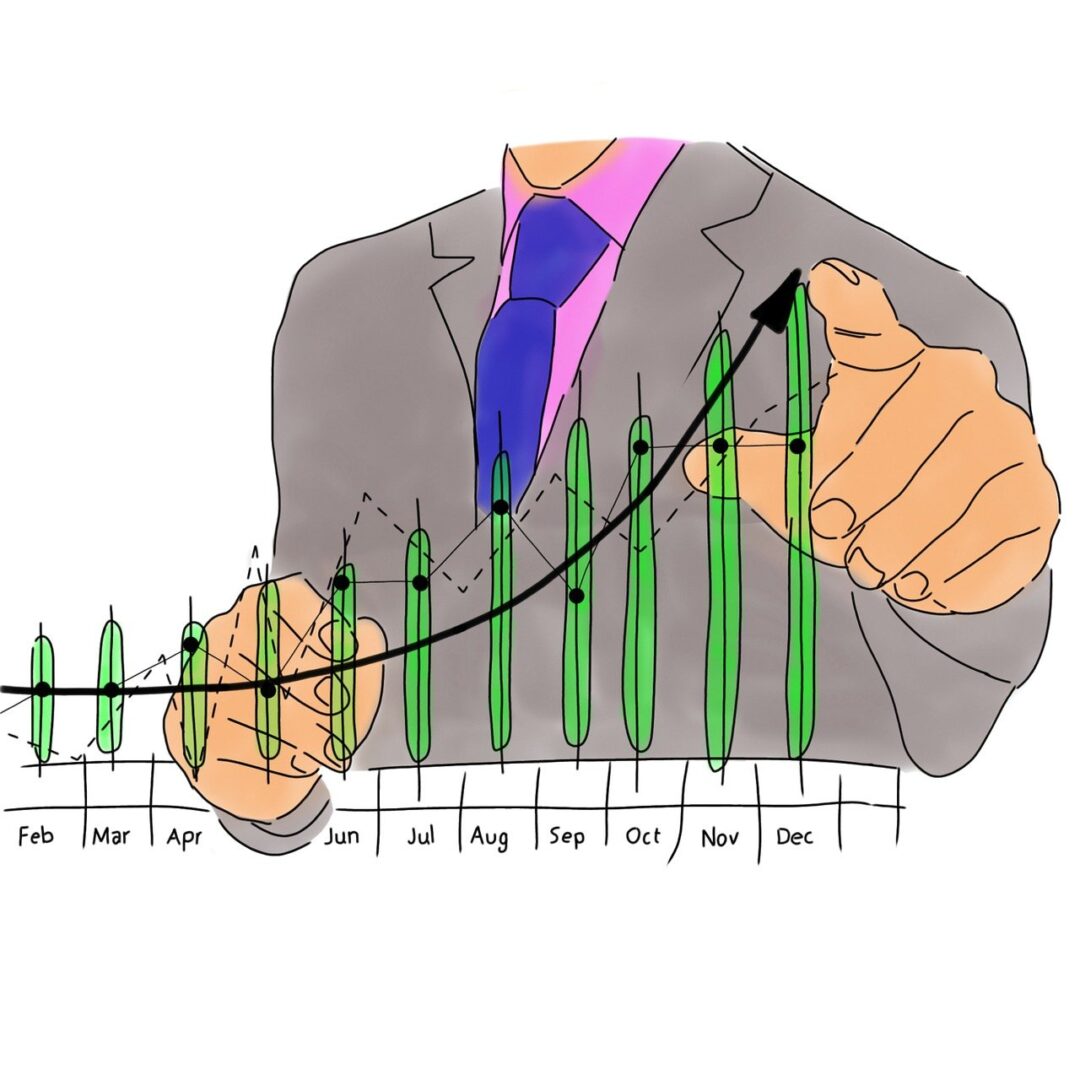
Experienced investors favour the S&P 500 for several reasons, exposing the 500 leading companies across different industries. The S&P also delivered many long-term returns, making it a reliable investment. Additionally, it also serves as a milestone for several mutual funds, ETFs, and investment products. It also shows itself as a reflection of the complete health of the United States economy.
Equal Weight Vs Market Weight Weighing
The Market cap weight allocates the funds based on an organization’s capitalization for each company. The larger the company, the higher the index will weigh. This also states that a higher weight in the index means their stock price has a significant movement in the complete index performance. Reportedly, the method is generally used in traditional mutual funds and ETFs.
Equal Weighting: Primarily used by any company, equal weighting has funds allocated to each company in the index, despite the market capitalization.
This type of fund influences diversification, ensuring that no single company promotes diversification and company risk.
What are the criteria of XEWE ESG?
The application, XEWE, utilizes investment returns by reducing risks by attracting investors. Organizations that have set ESG practices have minimal chances of facing regulatory penalties, reputational destruction, and lawsuits.
The environmental, social, and governance-applied organizations offer better functionalities and long-term prospects.
Criteria For Investment Strategy

For developing a successful strategy to invest in XEWE, start by lining the investment goals with the characteristics. Imagine if XEWE fits the investment horizon, ESG preferences, and risk tolerances. Along with a regular adjustment review of your investment, you can align the market performance and financial situation. Some of them are;
Risk Management Techniques
When invested in XEWE, effective risk management is crucial. For these sources, diversify across several classes and mitigate risks according to security. Additionally, you should stay informed about the economic conditions and trends for adjustments in your portfolio.
Other Factors that influence performance
Several factors influence the working of XEWE, including market sentiment, ESG trends, and macroeconomic conditions. The economic indicators, including interest rates, inflation, and GDP growth, have largely impacted the XEWE performance.
Wrapping Up
X Trackers S&P 500 Equal Weight ESG UCITS ETF (XEWE) features a unique investment property by merging equal weight with stringent ESG criteria. This provides a balanced exposure to sustainable investing principles and reduces concentration risks with the S&P 500. Additionally, its historical performance, equal focus, and methodology make it a compelling choice for investors who are seeking responsible options.
- Related: Why Tech eTruesports is Changing the Game for eSports Organizers
- Related: 23azo Games: Safest Gaming Experience for Students
- Related: What’s The Deal With 314159U GCV MALL: Real Or Spam?
Frequently Asked Questions
What is an XEWE ETF?
XEWE Exchange Traded Fund are investment funds that trade on stock exchanges, and is similar to stocks. The assets they hold are commodities, stocks, and bonds, which usually operate with a mechanism. Designed to keep the trading close to its asset value. Initially introduced in the 1990s, Exchange Traded Funds or ETFs have grown in popularity for low cost, ease…
How do XEWE ETFs work?
The ETFs, which are abbreviated as Exchange Traded Funds, track the performance of an asset that mimics the index composition. The index buys and sells ETF shares on the stock market throughout the trading day by providing flexibility and liquidity. While the shares and pricing of the Exchange Traded Funds fluctuate with the market, it allows the investors to take…
What are the advantages of investing in an XEWE ETF?
The ETF or exchange-traded funds have several advantages for investors.
What is the S&P 500 Index?
The S&P 500 Index, created by Standard & Poor's, is a market optimization index that weights 500 of the largest companies in the United States. The index is market cap-weighted, which means industries that had a greater capitalization had a major impact on their performance.
What are the advantages of the S&P 500?
Experienced investors favour the S&P 500 for several reasons, exposing the 500 leading companies across different industries. The S&P also delivered many long-term returns, making it a reliable investment. Additionally, it also serves as a milestone for several mutual funds, ETFs, and investment products. It also shows itself as a reflection of the complete health of the United States economy.
What are the criteria of XEWE ESG?
The application, XEWE, utilizes investment returns by reducing risks by attracting investors. Organizations that have set ESG practices have minimal chances of facing regulatory penalties, reputational destruction, and lawsuits.
Last updated on


